
Louisiana Busted Mugshots and Wanted Lists
Louisiana tracks fugitives through three separate official routes. One is the Department of Public Safety and Corrections (DPS&C) wanted and warrant cases. Another is the Attorney General's Fugitive Apprehension Unit. The third is federal, run through U.S. Marshals Service districts and task forces. The corrections entries cover DOC-related cases. The AG's unit coordinates work across agencies, while the Marshals handle federal fugitives in a district or task-force setting.
These are not interchangeable lists. None is a statewide index of every open local or federal warrant. The pages shift as agencies add, remove, or update entries, and no shared calendar ties the three layers together. Trust the live page for current names. A photo aids identification, but it can be old or even the wrong person. A missing entry does not rule out a warrant, and a listed one does not mean the person is still wanted today.
A "busted mugshots" search cannot settle whether someone has an active warrant. Booking images belong to arrest and custody records. A wanted entry belongs to whichever agency issued or maintains it. Check the publisher before drawing a conclusion. Then check the case record itself.
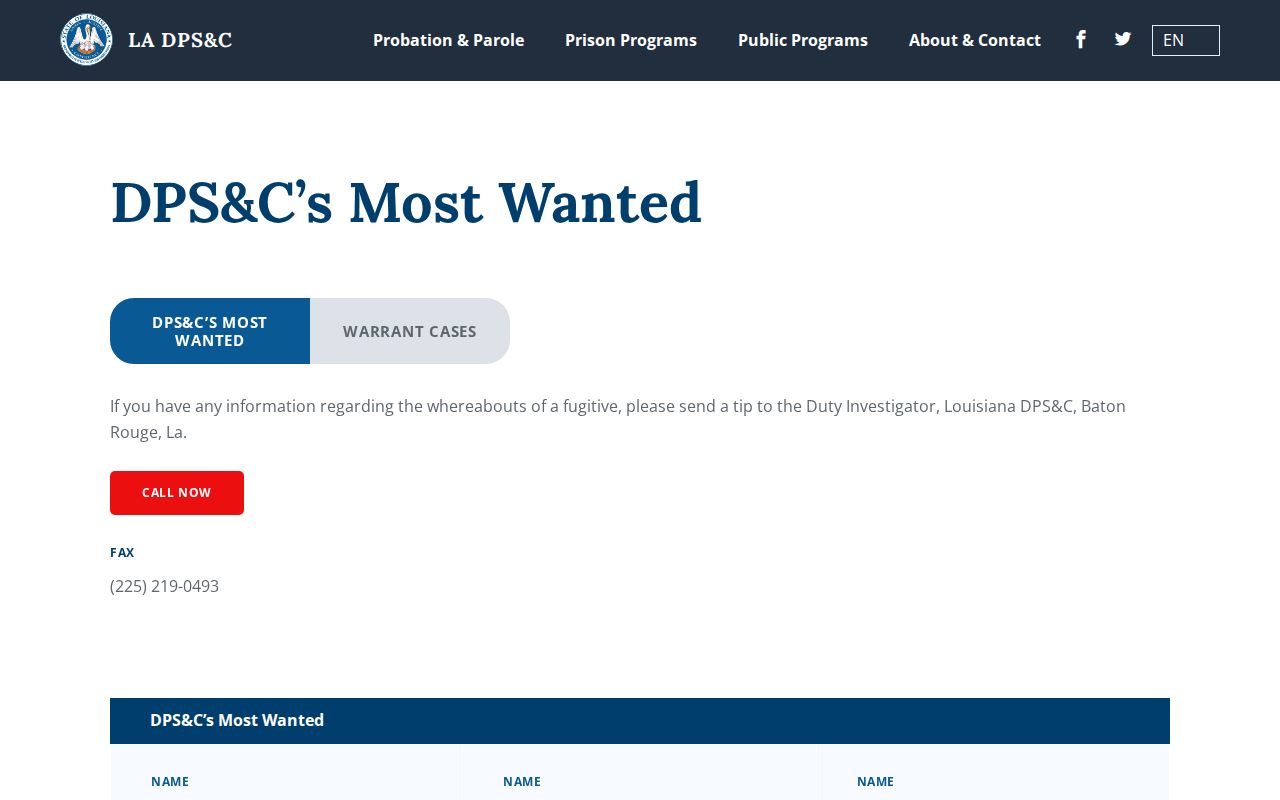
The DPS&C Most Wanted and Warrant Cases page is the direct state starting point. It keeps its own corrections records. It also points readers toward the department's investigator or a local probation and parole office. Treat it as a live agency source rather than a permanent archive.
Louisiana Busted Mugshot Sources
Each route answers a different question. The table is a source map, not a promise of matching fields or a full warrant list. Check the official entry before sharing anything.
| Official route | What it covers | Photo and scope limits |
|---|---|---|
| DPS&C Most Wanted and Warrant Cases | Current DOC-related wanted entries and warrant cases. | Use the live status card and listed contact route; it is not an all-agency warrant search. |
| Attorney General Fugitive Apprehension Unit | Statewide coordination and assistance to local, state, and federal agencies. | The research confirms the unit's role, not a separate public name-by-name list. |
| USMS Eastern District | District task-force and fugitive information for the eastern district. | Use the district page for current profile and tip details; district scope matters. |
| USMS Western District profiled fugitives | A federal profile example for the western district. | A federal profile is not a Louisiana state or parish roster. |
Federal lists work differently. The USMS Louisiana 15 Most Wanted notice for an East Baton Rouge man wanted for murder is one example. That is a federal notice, not a statewide database.
Louisiana Fugitive Coordination
The Louisiana Attorney General's Fugitive Apprehension Unit holds statewide jurisdiction. It assists local, state, and federal agencies. Under R.S. 49:261, it coordinates with DPS&C, Louisiana State Police, probation and parole, sheriffs, police, USMS, and ICE. The law gives priority to violent felonies. That role still does not make the unit a publisher of one searchable statewide warrant roster.
The State Police Criminal Investigations Division describes its own fugitive work on its official division page. The division page documents the work. It offers no statewide LSP Most Wanted list. Read it for the work it documents.
Reading Louisiana Busted Mugshot Notices
Wanted pages have no shared template. One agency posts a photo, a status card, and tip instructions. Another writes a case profile or news notice. The fields that follow are checks to run on a live record. Not every page carries them.
| Field to check | Why it matters |
|---|---|
| Name and identifiers | Confirm spelling and any identifying details with the agency; do not identify someone from a face alone. |
| Issuing agency and jurisdiction | Shows which court or agency owns the notice and where its authority applies. |
| Case or warrant status | Can change after surrender, arrest, court action, or a correction; verify it with the publisher. |
| Photo and date context | A picture can be old, unavailable, or mistaken; the page date can help show whether the entry is current. |
| Tip route | Use the listed official channel rather than replying to an unverified post or confronting anyone. |
A wanted entry is an agency notice. That statement drops away after a guilty finding or conviction. A photo serves identification only. Some notices concern a warrant or a supervision issue rather than a new arrest. Read the agency's words carefully.
Louisiana Warrant Routes
"Wanted" can mean records held at different agencies. A notice, a court paper, or the issuing agency is the safest starting point. Skip pages chosen only for a search box.
| Record layer | Starting point | What it cannot confirm |
|---|---|---|
| DOC warrant case | DPS&C Most Wanted and Warrant Cases page. | It does not list every parish or federal warrant. |
| State fugitive coordination | Attorney General Fugitive Apprehension Unit or the named partner agency. | The unit's coordination page is not a public statewide warrant search. |
| Federal fugitive profile | USMS district page and the federal case or issuing agency. | A federal profile does not establish Louisiana parish custody or court disposition. |
| Parish or local warrant | The issuing court or law-enforcement agency in that parish. | State and federal lists are not a substitute for local confirmation. |
Louisiana Parish Warrant Records
Warrants are local records in Louisiana. The issuing court or law-enforcement agency keeps the record. Statewide sources do not replace a parish clerk, sheriff, police department, or court. Start with the agency named in a case or notice. When the issuing parish is known, that parish's own court and agency contacts come first. The Louisiana parish directory routes to local record coverage. It does not search warrants itself.
Many parish clerks offer remote access. The Louisiana Clerks' Remote Access Authority points to a participating clerk service through its overview. The eClerksLA portal is that service. Criminal coverage differs by parish. So do fees, account rules, date ranges, and available documents. A portal result is never a complete list of active warrants. The lack of one is not either.
Louisiana Fugitive Tips
Each agency sets its own tip route. That is the first rule of reporting a fugitive. DPS&C points people with information to its duty investigator and to the local probation or parole office named through the department. The Eastern District USMS page posts district and tip details. The national USMS tips page is a broader official route. No single statewide anonymous tip line or statewide reward policy applies, so assume neither.
- Open the live official notice and confirm which agency owns it. Read its current instructions before sending anything.
- For a DPS&C entry, use the duty-investigator or probation/parole route the department provides. For a USMS matter, use the district page or official USMS tips route.
- Share only facts you lawfully know, such as when and where you saw something. Do not follow, photograph, question, or confront the person.
- Call 911 for an immediate threat. For non-emergency information, use the agency's listed official channel and let trained officers decide what to do.
Listings go stale. Photos age, and a similar name can point at the wrong person. Do not post a home address, family details, or an identity guess on social media. Send relevant details through the agency's current route instead.
Check Louisiana Warrants After Busted Mugshots
A wanted list is selective by design. It may spotlight one fugitive tied to one case. It is not a statewide warrant check for every person or every court. No single public Louisiana database searches all active warrants. A name missing from DPS&C, the Attorney General, or USMS pages does not mean a clean record. A match still needs confirmation from the responsible agency.
- Identify the court or agency that issued the notice. Do not begin with an unofficial name-search page or assume a statewide list is complete.
- If a case number or parish is known, use that parish clerk's official court service to locate the docket or ask which office holds the record. eClerksLA connects to participating clerk services, but coverage and access terms vary.
- Ask the issuing agency or court to confirm the current status and the proper process. A portal that lacks a result cannot prove there is no warrant.
- For a possible warrant involving you, consult a licensed lawyer or contact the issuing court about lawful next steps. Do not ignore a notice or try to evade service.
Start by identifying the issuing court or agency. A case document, a prior notice, or an official communication usually names the source. Contact that source directly. Use its current public contact information, and ask what record it can confirm. The parish clerk or court handles docket records. The LCRAA overview notes that remote access covers only participating parish clerks, not one complete state docket.
A booking page is not a warrant result. Neither is an arrest story or a court charge. Case outcomes come from the clerk or criminal-court source, not a wanted-list label. Each record answers a different question. The statewide Louisiana arrest and mugshot lookup explains how parish rosters, custody searches, and court records divide that work.
Louisiana Custody Is Not a Warrant
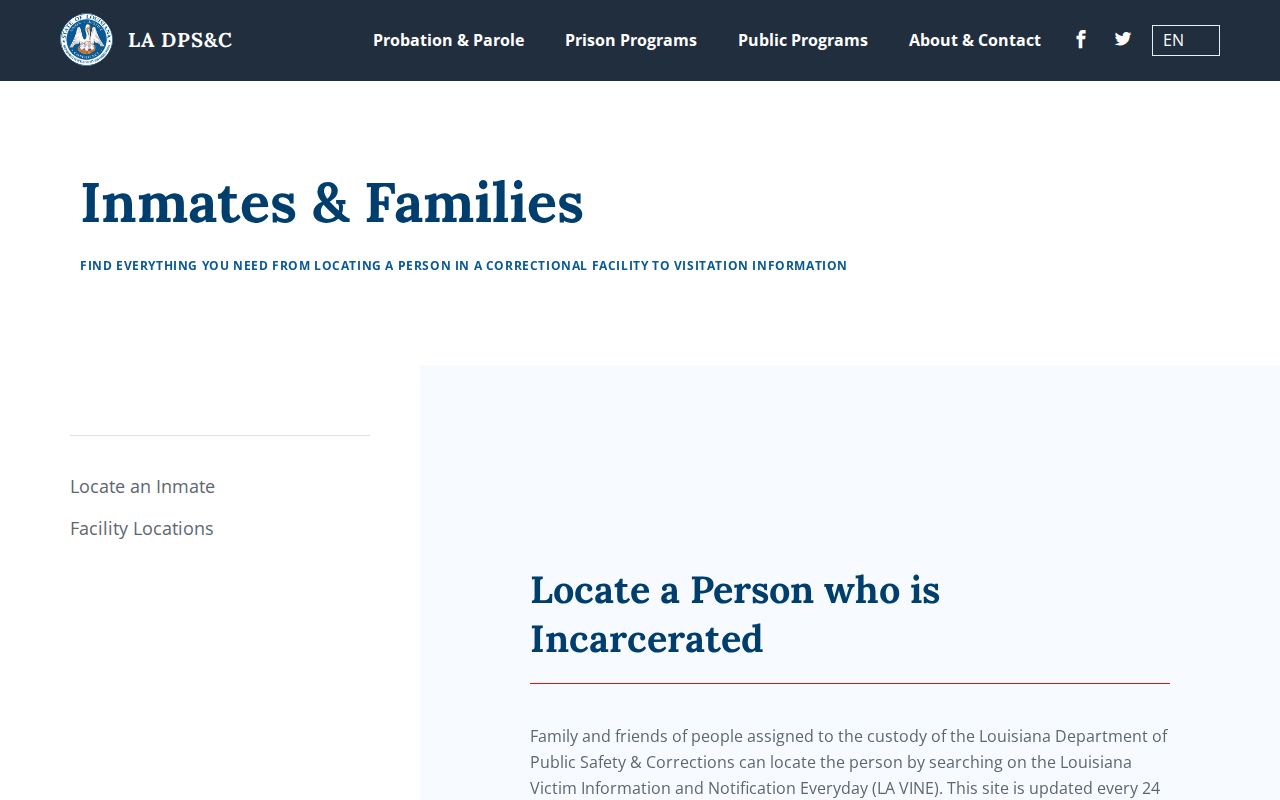
Wanted notices and custody searches differ. They answer different questions. The state LA VINE route reports adult custody and supervision information. It is not a warrant index. The service lists a 24-hour data update cycle. That cycle is no promise every local booking appears at once.
Custody can happen without a fugitive profile. A wanted page can also stay online after a change in status. The official LA VINE search form fits one question, whether a person appears in state custody or supervision, and its public view shows no offender photograph.

DPS&C's inmate-information page routes to the official public custody search. That search reports current custody or supervision information. Its public view is not a photo archive, and it does not return every parish warrant.
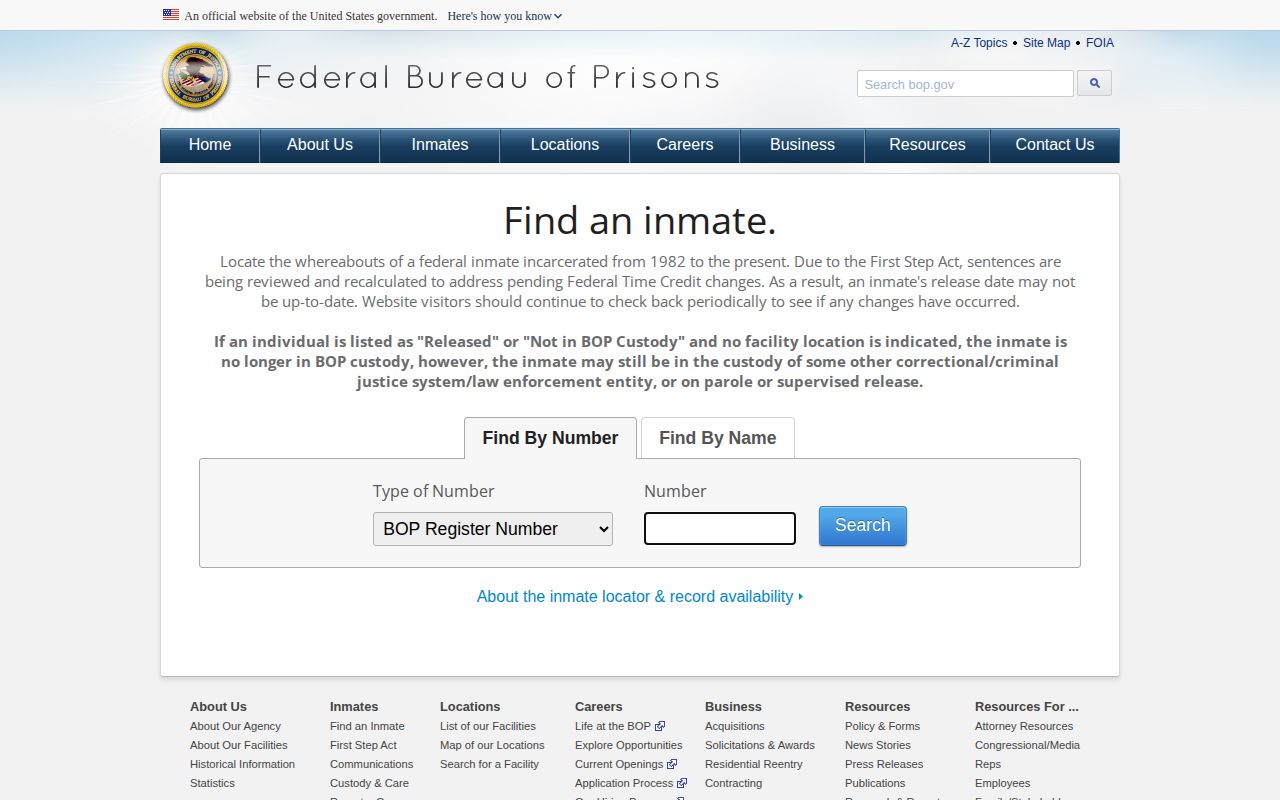
Federal custody is a separate layer. The Bureau of Prisons inmate locator covers people in federal prison custody from 1982 forward. It has no public booking-photo field. It is not a USMS fugitive database, and it says nothing about whether a Louisiana parish warrant remains active.
Resolve Louisiana Busted Mugshot Warrants
A possible warrant needs a direct response. Resolve it through a lawyer or the issuing court. Avoiding contact or trusting an unofficial search result is the wrong answer. The issuing court can explain what process applies. That office can also confirm whether the record is current, and a licensed Louisiana attorney can review the docket and advise on lawful next steps.
Keep copies. That means the notice, agency page, and case number. Ask the clerk or agency to name the record source and current status. Profiles can linger. When one stays up after a status change, the agency that posted it is the right place to request a correction. Warrant notices go stale, faces get misidentified, and later court action can change the public record, so this care pays off.
Note: Use the named agency's current contact route because wanted entries and court status can change without a shared statewide update schedule.